
Lessons Learned from Working with Victims of Sexual and Domestic Violence
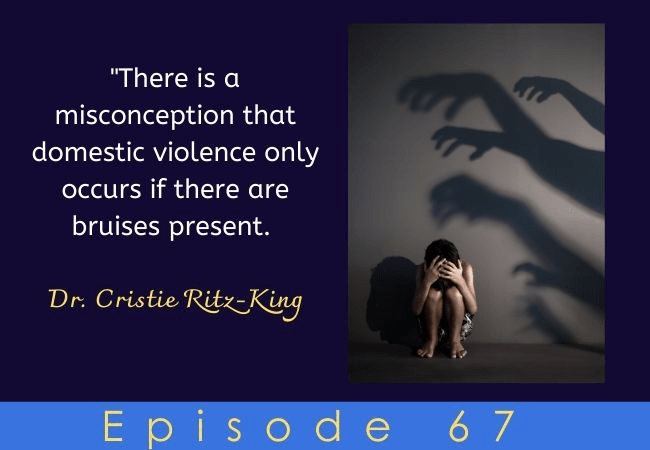
This episode is prompted by two things: my binge-watching of Maid, a Netflix show that takes a look at the nuances of domestic violence, and the recent Gabby Petito case. There are so many misconceptions and misunderstandings around domestic violence, and it’s always puzzling to me how many men and women don’t know what a healthy relationship looks like.
It’s just me today, talking about my thoughts and what I’ve seen during my professional career as a trauma therapist working with survivors of sexual violence and domestic violence. Join me for a look at this important topic.
Show Highlights:
- The four stages of the cycle of domestic violence:
-
- Tension-building stage (a time of “walking on eggshells”)
- Explosive stage (can be physical or intense controlling behavior)
- Honeymoon stage (a time of reconciliation and usually blaming the victim for the behavior)
- Calm and normal stage (things seem like they are better, and the violence was a one-time occurrence)
**The problem is that the cycle usually repeats itself, and there is no timeline for each stage.
- Why there is a common misconception that domestic violence happens to a certain “type” of person
- How domestic violence isn’t so much about anger and abuse as it is about control–most often men controlling women
- Why domestic violence is sometimes difficult to spot in the beginning as someone exerts control over your time, finances, and friends–and slowly shrinks your life
- Why anger management is NOT the issue–and anger management classes are NOT the solution
- How deep trauma and attachment issues can lead to dysfunction in relationships
- Why partners often sympathize with their abusers because of their past, and they give them chance after chance
- How a domestic violence situation is complicated when kids are involved
- Resources are available: emergency shelters, counseling, court advocates, and therapeutic programs for adults and kids
- What you can do:
-
- If someone you know needs help, be supportive and help them find resources.
- If you are in a domestic violence situation, find resources and support.
- If you haven’t encountered domestic violence in your relationship, be aware of red flags, like “love bombs,” a partner trying to keep you all to himself, or blaming you for all problems in the relationship.
Resources:
National DV Support: National Domestic Violence Hotline
If you live in Monmouth County, NJ: 180 Turning Lives Around
Connect with Cristie:
Parenting Courses: Awe Mama Website
Newsletter SignUp: (Love Notes for Mom)
Email: critzking@wonderincwellness.com
Instagram: @drcritzking